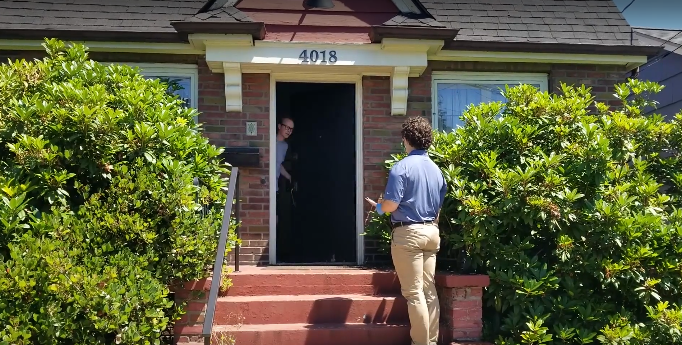
Subpoena Services

Keep your case on track with reliable service of process.

Industry Leading Technology

1

24/7 online access

Divorce_Settle_Discuss

Stay updated with real-time progress in your secure account and set up live email or text message notifications in seconds.

2

Comprehensive proof

LegalCounsel

Verify service through the highest standards: Photos, GPS coordinates, and detailed process server notes.
3

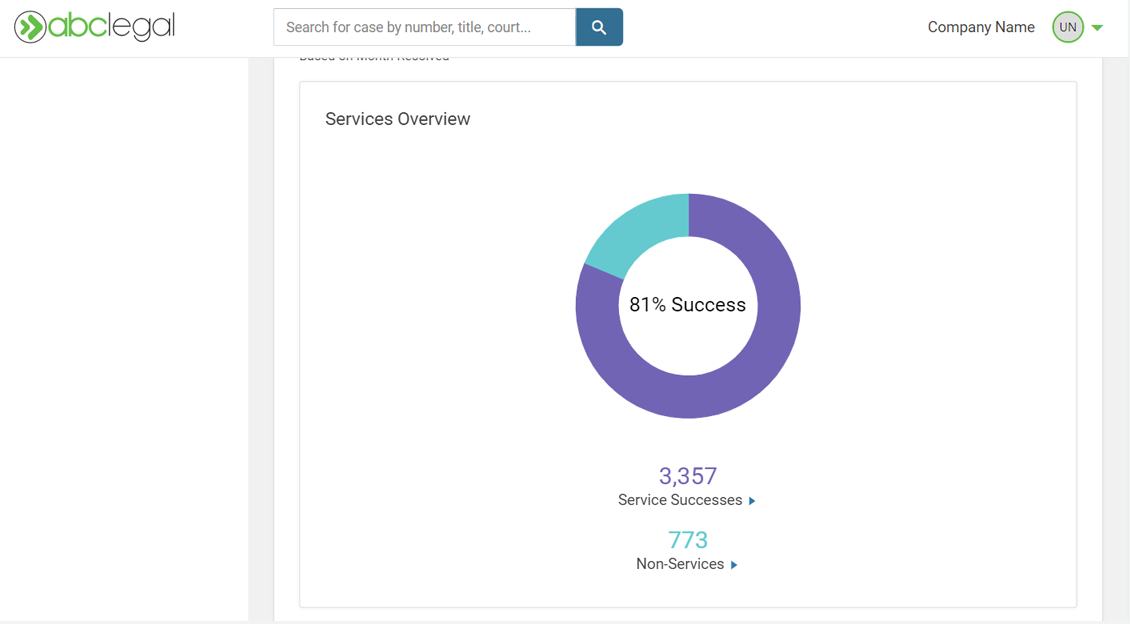
Better statistics

Metrics2

Impress clients by optimizing service speed and increasing your service rate. Our technology equips you with the metrics your clients want to see.


Divorce_Settle_Discuss LegalCounsel Metrics2

See your price for service of process

With flat-rate pricing and nationwide coverage, it's easy to see what service of process will cost. Select your state to get started.

Select your state*

Or click any state on the map.

  • Preferred Partner of Wolters Kluwer / CT Corp
  • Exclusive contract with the U.S. Dept. of Justice since 2003
  • Chosen by 50,000+ legal professionals

Some markets require wet ink and may take additional time. Final price available during checkout.

FAQ for Serving Subpoenas

What is a subpoena?

A subpoena is a legal document issued by a court or an authorized individual that commands a person to produce documents, testify as a witness, or take some other action related to a legal proceeding. It is a crucial tool in gathering evidence and ensuring that all parties involved in a case have access to necessary information.

How do you serve a subpoena?

Serving a subpoena involves delivering the document to the person or entity named in the subpoena. This is typically done through a professional process server, like ABC Legal. The process server serving the subpoena must ensure that it is delivered to the correct individual or entity.

How is a subpoena legally served?

A subpoena is legally served by following the specific rules and procedures established by the jurisdiction's laws and court rules. This often includes delivering the subpoena in person to the recipient or, in some cases, through certified mail or another authorized method. It's crucial to adhere to the legal requirements for proper service to ensure the subpoena is valid.

How far in advance must a subpoena be served?

The timing for serving a subpoena can vary depending on local laws and court rules. In many jurisdictions, subpoenas must be served a reasonable amount of time before the scheduled court appearance or deposition. This period typically ranges from a few days to a few weeks. It's essential to consult local rules or seek legal advice to determine the specific timing requirements in your jurisdiction.

How do you subpoena someone?

a. Draft a subpoena: Create a subpoena document that includes the recipient's name, the information or documents you need, and the date, time, and location of the deposition or court appearance.

b. File with the court: In some cases, you may need to file the subpoena with the court clerk before serving it.

c. Serve the subpoena: Ensure the subpoena is properly served to the individual or entity named in the document.

d. Pay fees if required: Some jurisdictions may require payment of fees associated with serving a subpoena.

Does a subpoena have to be served in person?

In most cases, a subpoena is served in person by a process server or authorized individual. However, rules can vary by jurisdiction. Some jurisdictions may allow service by certified mail or other authorized methods, but these options must meet specific legal requirements to be valid.

Can a subpoena be served by mail?

In some jurisdictions, yes, a subpoena can be served by mail, typically through certified mail with a return receipt requested. However, it's crucial to check the specific requirements in your jurisdiction to ensure compliance with the law. Additionally, serving a subpoena by mail may have limitations, and it may not be suitable for all situations. Consult with legal counsel for guidance on the best method of service in your case.

The information on this page does not constitute legal advice and is for general, informational use. Due to the changeability of laws, the information on this page may not reflect the most recent local laws. Always consult current legal and civil codes in your area for the most accurate information.